


The Blueprint for Success: How to Choose the Best Home Builder in Raleigh, NC
How to Choose the Best Home Builder in Raleigh, NC?
Building a home is one of the most significant financial and emotional investments a person can make. In the rapidly growing landscape of Raleigh, North Carolina—a hub for technology, research, and Southern charm—the demand for quality housing has skyrocketed. According to the Raleigh Regional Association of Realtors, the Triangle area saw a population increase of over 20% in the last decade, with new construction permits hitting record highs in Wake County. Amidst this boom, the line between a dream home and a construction nightmare is often drawn by one critical decision: selecting the right home builder.
Whether you are looking for a custom estate in North Hills, a modern townhome in Downtown Raleigh, or a family-centric property in Cary or Wake Forest, the builder you choose dictates your budget, timeline, quality of life, and long-term property value. This pillar article serves as your comprehensive roadmap. We will dissect the architectural nuances of the Raleigh market, analyze the difference between production and custom builders, and provide a forensic-level guide to vetting contractors. By the end of this 3,500+ word guide, you will possess the professional insight needed to navigate contracts, avoid common pitfalls, and secure a partnership that turns your architectural vision into a tangible, high-performance asset.
Understanding the Raleigh Construction Landscape: A Market Overview
Raleigh is not a monolithic market. The construction industry here is shaped by distinct geographical zones, supply chain dynamics unique to the Southeast, and a competitive labor market. Before interviewing a single builder, it is essential to understand the ecosystem you are entering.
The Triad of Growth: Supply, Demand, and Regulation
Raleigh consistently ranks among the top three fastest-growing cities in the United States. This hyper-growth has led to a surge in construction costs. Between 2020 and 2024, the cost of lumber and skilled labor in the Raleigh-Durham area fluctuated dramatically, impacting build timelines. A competent local builder does not just build homes; they navigate municipal codes—from the City of Raleigh’s stringent stormwater management requirements to the historic preservation standards in neighborhoods like Oakwood. Builders who lack deep local experience often face permit delays that can stall a project for months.
Furthermore, the soil composition in the Piedmont region, which includes Raleigh, often requires specific foundation engineering. A builder unfamiliar with the red clay expansiveness might overlook necessary soil remediation, leading to foundation issues years down the line. Therefore, the “best” builder is intrinsically tied to hyper-local knowledge.
Defining Your Needs: Custom Builders vs. Production Builders
One of the most common mistakes potential homeowners make is assuming all builders are the same. In Raleigh, the industry bifurcates into two distinct categories: Production (Tract) Builders and Custom Builders. Understanding the differences is the first step toward alignment with your goals.
Production Builders: Volume and Value
Production builders, such as Lennar, DR Horton, or PulteGroup, dominate the suburban subdivisions of Raleigh—places like Holly Springs, Fuquay-Varina, and Garner. These companies operate on economies of scale. They purchase large tracts of land, offer limited floor plans, and provide a streamlined, predictable process.
- Characteristics: Standardized materials, tiered upgrade packages, strict construction schedules, and in-house financing options.
- Advantages: Cost efficiency, faster construction (typically 6-9 months), and lower risk of budget overruns.
- Limitations: Limited customization. You may not be able to move a wall or select a non-standard structural option. The quality of finishes depends heavily on the specific subcontractor crew assigned to your lot.
Custom Builders: Tailored Craftsmanship
If you own a lot in established areas like Hayes Barton, Five Points, or are building on acreage in North Raleigh, a custom builder is often the only viable option. These builders—ranging from boutique firms to luxury artisans—design and construct homes based on your unique architectural plans.
- Characteristics: High-touch service, architectural collaboration, premium materials, and flexible timelines.
- Advantages: Total creative control, superior energy efficiency options, and the ability to incorporate smart-home technology seamlessly.
- Limitations: Higher cost per square foot (often 15-25% more than production), longer timelines (12-24 months), and greater reliance on the homeowner’s decision-making speed.
Practical Example: A family moving to Raleigh for a tech job at RTP with a strict timeline and a budget of $450,000 will likely thrive with a production builder in a master-planned community. Conversely, a retired executive seeking a net-zero energy home with passive solar orientation on a wooded lot in Wake Forest requires the specialized expertise of a custom home builder.
The Vetting Process: How to Evaluate Raleigh Home Builders
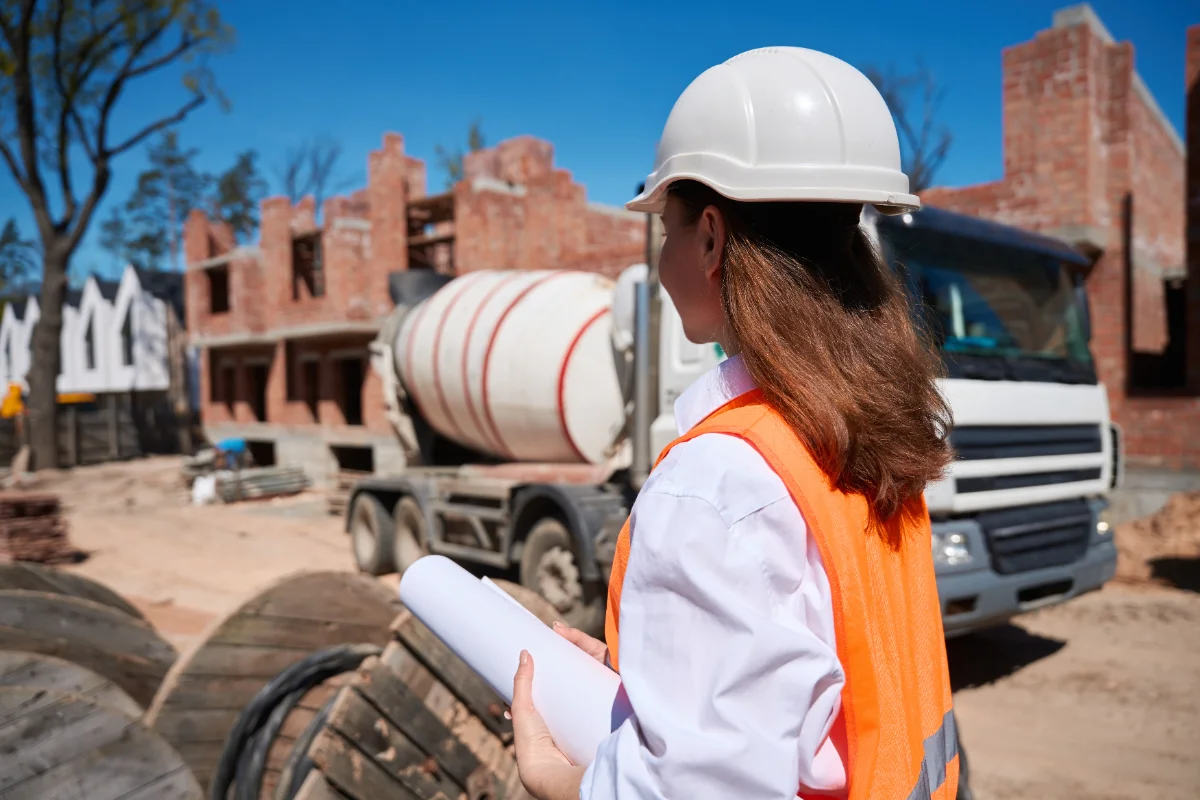
Once you have identified the category of builder you need, the vetting process begins. This is where due diligence separates successful projects from litigation nightmares. You are not just hiring a contractor; you are hiring a project manager, a legal entity, and a team of subcontractors.
Licensing, Insurance, and Legal Standing
North Carolina requires general contractors to be licensed by the North Carolina Licensing Board for General Contractors (NCLBGC). Verify the license number and ensure it is active. For projects over $30,000, an “Unlimited” license is required. Beyond licensing, demand a certificate of insurance (COI) that includes:
– General Liability (minimum $1 million)
– Workers’ Compensation (to protect you from liability if a worker is injured on your property).
In Raleigh, where construction defect litigation is rising due to the building boom, checking the North Carolina Court System’s public records for any history of liens or lawsuits against the builder is a non-negotiable step. A clean legal history indicates financial stability and ethical business practices.
Portfolio Analysis and Site Visits
Marketing materials can be deceiving. Request a list of completed projects in the last 24 months. Do not rely solely on staged photography; ask for addresses of homes currently under construction and recently completed. Visit these sites unannounced. A professional builder maintains a clean, organized job site. Look for:
– Proper fencing and signage.
– Stored materials protected from weather.
– Subcontractors taking pride in their work (e.g., neat wiring, clean cuts in lumber).
During site visits, if possible, speak with current homeowners. Ask them specifically about communication: “Did the builder return calls within 24 hours?” and “How were change orders handled?” In the Raleigh market, where summer thunderstorms are frequent, inquire about how the builder managed weather delays—a true test of project management skills.
The Anatomy of a Bulletproof Contract: Red Flags and Green Lights
The contract is the single most critical document in your building journey. Raleigh builders often use standardized forms from the North Carolina Association of General Contractors, but these forms are frequently modified. You must understand the specifications before signing.
Specification Sheets: Beyond the Surface
A vague specification sheet is a recipe for disaster. A reputable builder provides a detailed “Spec Book” outlining:
– Structural: Floor joist spacing, roof truss design, lumber grade.
– Mechanical: HVAC SEER ratings, ductwork insulation levels, plumbing fixture brands (e.g., Kohler vs. off-brand).
– Finishes: Paint grade (e.g., Sherwin-Williams Duration vs. builder-grade flat paint), cabinet construction (plywood boxes vs. particle board), countertop thickness and edge profile.
If a builder in Raleigh refuses to provide brand names and model numbers before signing, consider it a significant red flag. In a post-pandemic supply chain environment, “or equal” clauses are common, but they should require your written approval before substitution.
Payment Schedules and Retention
Beware of builders demanding large upfront deposits. A standard schedule ties payments to verified milestones:
- Deposit: 5-10% for mobilization and permits.
- Foundation/Dry-in: 20-25% upon slab pour and framing completion.
- Rough Mechanicals: 20-25% after plumbing, electrical, and HVAC rough-ins pass inspection.
- Insulation & Drywall: 15-20%.
- Trim & Finishes: 15-20%.
- Final (Certificate of Occupancy): 10% retainage until all punch-list items are resolved.
Never pay for work not yet completed. Retainage (holding back the final 10%) ensures the builder returns to fix minor issues post-closing.
Comparative Analysis: Builder Tiers in Raleigh
To provide clarity, we have structured a comparative table analyzing three hypothetical builder profiles common in the Raleigh market. This table is designed for quick reference and Google snippet optimization, helping you visualize the trade-offs.
| Criteria | Large Production Builder (e.g., National Corp) | Mid-Sized Regional Builder | Boutique Custom Builder |
|---|---|---|---|
| Price per Sq Ft (2024 avg) | $180 – $240 | $240 – $350 | $350 – $600+ |
| Customization Level | Low (Structural options limited to pre-approved upgrades) | Medium (Can modify floor plans, select most finishes) | Full (Architect-led, any layout possible) |
| Typical Timeline | 6-9 months | 9-14 months | 12-24 months |
| Warranty Structure | 1-year workmanship, 10-year structural (standardized) | 1-2 year workmanship, 10-year structural (customizable) | 2-year workmanship, 10-year structural (often third-party insured) |
| Ideal Raleigh Location | Suburban master-planned communities (Garner, Clayton) | Established neighborhoods (North Hills, Brier Creek) | Luxury acreage, historic districts (Downtown, Falls Lake) |
Essential Benefits of Partnering with the Right Builder
Selecting the optimal construction partner yields tangible, long-term benefits that extend far beyond the initial build. Below is a detailed breakdown of the core advantages, illustrating how professional selection impacts your life and finances.
- Financial Optimization and Resale Value: A builder with deep Raleigh market knowledge knows which features yield the highest return on investment (ROI). For instance, in the Raleigh market, finished basements are rare due to the water table, but screened-in porches and outdoor kitchens offer nearly 80% ROI. The right builder advises on allocations—ensuring you invest in high-impact areas (kitchens and primary suites) while economizing in secondary spaces, ultimately maximizing your home’s appraisal value.
- Energy Efficiency and Lower Utility Costs: Raleigh experiences humid summers and variable winters. A top-tier builder prioritizes building science. By utilizing advanced framing techniques, high-performance windows (U-factor <0.30), and spray foam insulation in attics (common in NC to combat thermal bridging), they can reduce your energy bills by 30-50% compared to code-minimum homes. This is not just eco-friendly; it is a direct monthly savings.
- Stress Reduction Through Professional Communication: Construction is inherently stressful. The best builders implement client portals (like BuilderTrend or CoConstruct) where you can view daily logs, photos, and change orders in real-time. This transparency eliminates the anxiety of wondering whether the framing was done correctly or if the tile arrived on time, providing peace of mind throughout the 6 to 18-month journey.
- Superior Craftsmanship and Durability: A builder who retains long-term subcontractors (plumbers, electricians, carpenters) ensures consistency. In Raleigh, where the labor market is tight, many production builders rely on the lowest-bid subcontractors who may rotate frequently. A quality builder invests in skilled tradespeople, resulting in straighter walls, leak-free plumbing, and electrical systems that exceed code requirements—reducing maintenance costs for the first decade of ownership.
- Navigating Zoning and Hurdles: Raleigh’s Unified Development Ordinance (UDO) is complex. From tree preservation requirements to impervious surface limits, a builder who regularly works with the City of Raleigh’s Development Services department can expedite permits. They know which variances are easy to obtain and which will trigger a public hearing, saving you months of bureaucratic delays.
Common Pitfalls: How to Avoid Builder Fraud and Delays in Raleigh
Despite the booming market, the construction industry in North Carolina has a dark side: contractor fraud. The North Carolina Attorney General’s office frequently issues warnings about unlicensed contracting, particularly after severe weather events. To safeguard your investment, be vigilant about these common pitfalls.
The “Too Good to Be True” Bid
If one builder’s estimate is 20% lower than the others, it is a red flag. This usually indicates either a misunderstanding of the scope of work, the use of substandard materials, or a builder who plans to hit you with massive change orders once construction begins. Always compare bids based on the “Scope of Work” section, not just the bottom line.
Lack of Specificity in Allowances
Many disputes arise from vague “allowances.” For example, a contract might list a “$10,000 appliance allowance.” In Raleigh, a standard kitchen package (refrigerator, range, dishwasher) for a mid-tier home can easily exceed $15,000. If the allowance is insufficient, you pay the difference. Ensure allowances are realistic based on your desired finish level. Custom builders typically provide a “selection schedule” that locks in prices before breaking ground, preventing budget creep.
Ignoring the Warranty Fine Print
North Carolina law (General Statute 143-151) requires builders to provide a warranty. However, many production builders use limited warranties that exclude common issues like nail pops, drywall cracks from settling, or HVAC imbalances. A superior builder offers a comprehensive 1-year bumper-to-bumper warranty and provides a walkthrough at the 11-month mark to catch issues before the warranty expires.
Step-by-Step: Your 90-Day Roadmap to Hiring a Builder
To streamline your decision-making process, here is a chronological action plan tailored to the Raleigh market. This structured approach ensures no detail is overlooked.
- Days 1-15: Financial Pre-Certification & Land Status. Secure financing or confirm you have clear title to your lot. In Raleigh, some neighborhoods have restrictive covenants that dictate minimum square footage or architectural style (e.g., Traditional vs. Modern). Verify these before interviewing builders.
- Days 16-45: The Interview Phase. Interview at least three builders. Request references from the last 12 months. Ask references: “Were you on budget? Did the builder communicate delays proactively? Would you build with them again?”
- Days 46-60: Due Diligence & Contract Negotiation. Visit the NCLBGC website to verify licenses. Review contracts with a real estate attorney familiar with Raleigh construction law. Clarify the dispute resolution process—arbitration clauses are common; understand if you waive your right to sue.
- Days 61-90: Final Selection & Pre-Construction Meeting. Before breaking ground, hold a pre-construction meeting on site with the builder, project manager, and key subcontractors. Walk the property lines, review the grading plan, and establish a communication protocol (e.g., weekly meetings on Thursdays at 9 AM).
Data-Driven Insights: What Raleigh Homeowners Are Saying
According to a 2024 survey conducted by the Home Builders Association of Raleigh-Wake County (HBA), 87% of homeowners reported that the “builder’s responsiveness to concerns” was the most critical factor in their satisfaction, surpassing even final cost. Furthermore, data indicates that homes built by “Certified Graduate Builders” (CGB) or “Graduate Master Builders” (GMB)—designations that require ongoing education—sold for an average of 7.2% higher per square foot in the Triangle area compared to non-certified competitors. This credentialing matters. When evaluating potential partners, look for membership in the local HBA and professional certifications, as these indicate a commitment to industry standards beyond the minimum legal requirements.
Additionally, the rise of “green building” in Raleigh is no longer a niche. With Duke Energy offering rebates for Energy Star certified homes, and the City of Raleigh promoting the “Green Building” program, selecting a builder proficient in sustainable construction can yield significant tax incentives and utility rebates. In 2023 alone, over 1,200 new construction homes in Wake County achieved Energy Star certification, reflecting a market shift toward efficiency.
Real-World Scenario: Comparing Two Raleigh Build Projects
Scenario A: The Production Path. John and Sarah, first-time buyers, chose a production builder in a new subdivision off Highway 401 in Garner. They appreciated the predictable pricing and the model home showcase. However, they did not hire a private inspector during the pre-drywall phase. Post-closing, they discovered insulation gaps in the attic, leading to high summer cooling bills. Because the builder’s warranty excluded “comfort-related” issues, they paid $3,000 out of pocket for remediation.
Scenario B: The Custom Collaboration. Michael, a retiree, hired a boutique custom builder in the North Ridge Country Club area. Despite a budget 25% higher than production alternatives, he received a detailed 3D BIM (Building Information Modeling) model before construction, eliminating change orders. The builder utilized a blower-door test to ensure airtightness, resulting in a home that is 40% more efficient than code. Michael’s resale value after five years appreciated 18%, outpacing the neighborhood average by 5%.
The contrast highlights the core trade-off: production builders offer simplicity and speed but require vigilant oversight; custom builders demand a higher initial investment but often yield superior long-term performance and value.
The Final Checklist: Non-Negotiables Before Signing
As you approach the final decision, use this comprehensive checklist to ensure no stone is left unturned. A builder who willingly provides these documents and addresses these points transparently is likely a partner you can trust.
- ✅ Verified NC General Contractor License (Unlimited classification).
- ✅ Certificate of Insurance with you named as “Additional Insured.”
- ✅ Three recent local references with contact info and addresses of completed homes.
- ✅ Detailed specifications sheet including mechanical systems (HVAC tonnage, SEER rating), roofing materials, and window brands.
- ✅ A clear payment schedule tied to completed work (not calendar dates).
- ✅ A sample change order form showing markup structure (typically 10-20% overhead and profit).
- ✅ Warranty documentation: specific coverage for workmanship, mechanicals, and structural components.
- ✅ A written policy on site cleanliness and safety protocols.
Conclusion: Building Your Legacy in the City of Oaks
Choosing the best home builder in Raleigh is not merely a transactional decision; it is the foundational step in securing your family’s safety, financial future, and daily quality of life. The Raleigh market offers immense opportunity, but it also demands vigilance. As we have explored, the dichotomy between production and custom builders defines the scope of your experience. The due diligence process—from verifying licensing with the NCLBGC to scrutinizing contract allowances—transforms a potentially stressful endeavor into a structured, manageable project.
Remember that the lowest bid is rarely the cheapest in the long run, and the fastest timeline may compromise structural integrity. By prioritizing local expertise, transparent communication, and verifiable credentials, you align yourself with a partner who understands that a home is more than lumber and drywall—it is a sanctuary designed to withstand Raleigh’s humid summers and evolving architectural trends.
Take the insights from this pillar guide and apply them rigorously. Visit job sites, interview former clients, and trust your instincts. The best builders in Raleigh welcome scrutiny because their reputations are built on decades of satisfied homeowners. Your dream home is within reach, but it requires a skilled architect of that dream. Start your vetting process today, demand excellence, and build not just a house, but a legacy in the heart of North Carolina.
Ready to take the next step? Compile your checklist, schedule interviews with top-rated Raleigh home builders, and ensure your investment is protected by the highest standards of craftsmanship and integrity.
ezequieldesignbrasil
28 de março de 2026s